13 October 2026
Dark store or closed store: how to tell them apart in satellite imagery
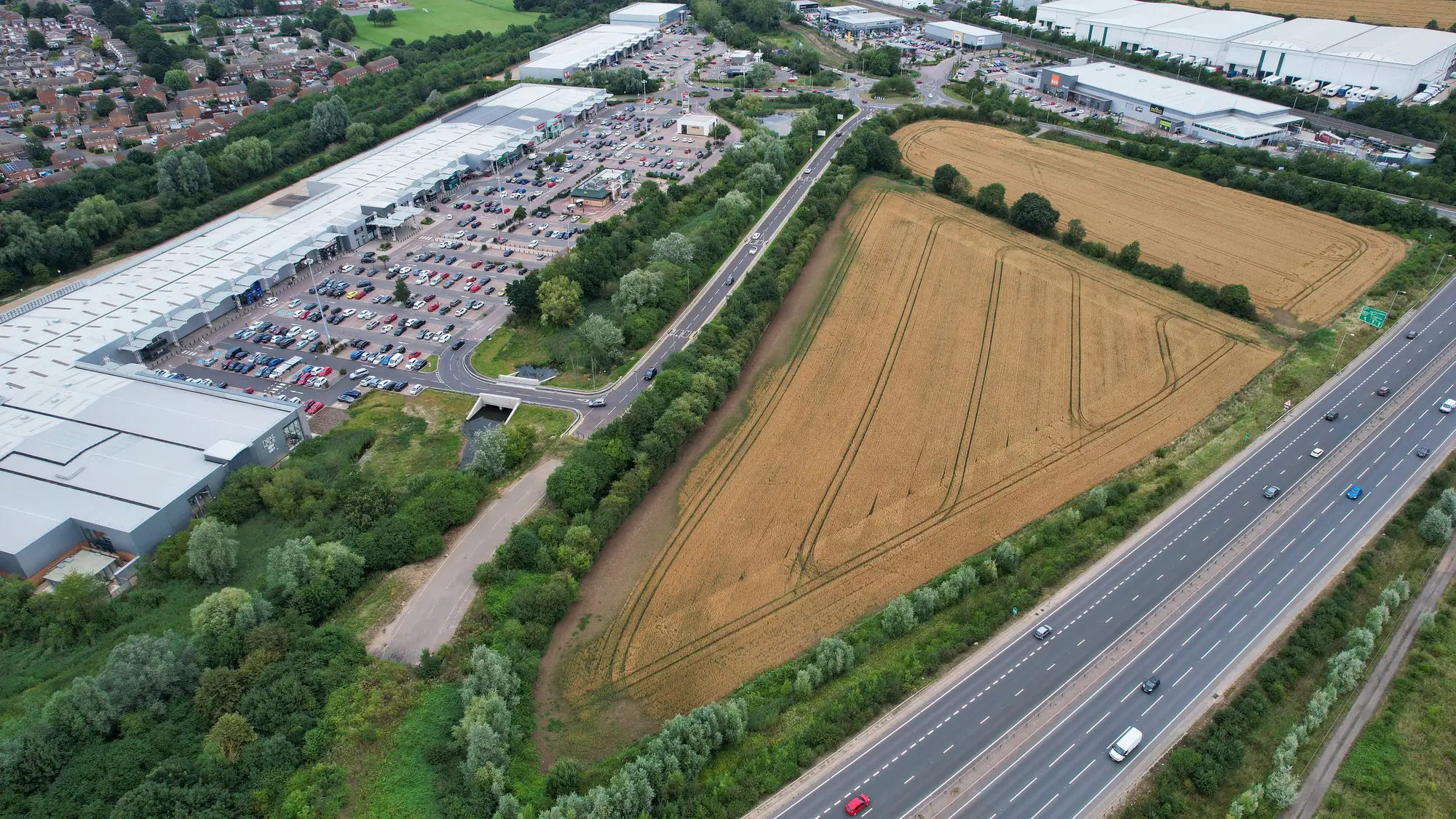
A unit goes quiet on the store locator. No new signage, no "now open" push, no listing in the trade press. Is it a fulfilment-only dark store running behind closed doors, or has the lease simply run out? From a single image the two can look the same: shuttered front, an empty-looking lot, no customer traffic at the door. The difference only shows up when you know what to check, and you're looking across more than one pass.
Why the confusion happens
Retailers converting a unit to a dark store have no reason to announce it. There's no grand opening, no press release, sometimes not even new exterior branding. The old fascia sign might come down because the brand doesn't want customers showing up at the door, which is the same thing that happens when a unit gets handed back to the landlord. Front-of-house signals, the stuff a drive-by or a single satellite pass picks up, point the same way in both cases: dark windows, no public parking activity, nothing obviously "retail" happening.
The signal that separates them sits at the back of the building: the loading bay.
What to look for in the imagery
Identifying a dark store from above comes down to activity you can't fake with a dark storefront, and timing you only get with repeat passes over the site.
Loading bay activity. A dark store exists to move stock in and vans out. Even on a single pass you'll often catch a cluster of delivery or courier vehicles backed up to the dock, or extra roller shutters that weren't part of the original retail fit-out. A genuinely vacant unit has an empty loading apron, usually with weeds or debris starting to collect against the dock doors because nobody's using them.
Vehicle presence pattern across dates, not just one. This is where a single high-res pass runs out of road and quarterly cadence earns its keep. A dark store shows a repeating pattern: vans present on some dates, the lot otherwise empty of customer cars, a rhythm that looks like a shift change rather than a dead site. A closed unit shows the same thing every quarter. Nothing. No vans, no cars, no change.
Roof and lot condition over time. Give it two or three quarters and a vacant building starts to show it. Standing water pooling on a flat roof nobody's maintaining, cracks spreading across a lot nobody's resurfacing, landscaping going unmanaged at the edges. A dark store, even a low-profile one, is still generating revenue for someone, so the building keeps getting basic upkeep. That upkeep gap is slow to show and invisible on one pass. A quarterly change log catches it; a one-off image doesn't.
Signage residue. Neither case usually has an active storefront sign, but look at how the old signage came down. A clean removal with patched fascia points to a planned conversion, worth the capital because the unit's still earning. A sign left half-removed, hanging, or simply left in place and dark often means the site was abandoned mid-lease rather than converted.
Why this matters for tracking an estate
Store-locator scrapes drop a unit the day it stops serving customer pickups, and the trade press, if it covers the change at all, usually frames it as a closure months after the fact, sometimes well after the competitor has shifted fulfilment volume through the site as a micro-fulfilment node without touching a thing on the sign out front. If you're building a view of a competitor's real footprint rather than its published one, the line between gone dark and gone changes what that site means for density in the trade area. A dark store still competes with you for last-mile delivery capacity even after it's dropped off every public-facing list.
That's the gap a quarterly pass over the whole estate is built to close: it flags the unit as changed as soon as something shifts, and the loading-bay and vehicle activity across the following quarters actually confirms whether it's running dark or standing empty. If you're trying to keep a competitor's estate current without waiting on their press office to tell you what already happened, that's what we do over on the Competitor Expansion home page.
Worth a look if your current tracking stops at the store locator and a stale PDF of trade press clippings.