Blog
16 November 2026
 Field notes: the quarter store count held flat and the real story was behind the fascia
A flat quarterly store count can hide three closures, three openings and a relocation. Notes on reading the churn behind the number.
16 November 2026
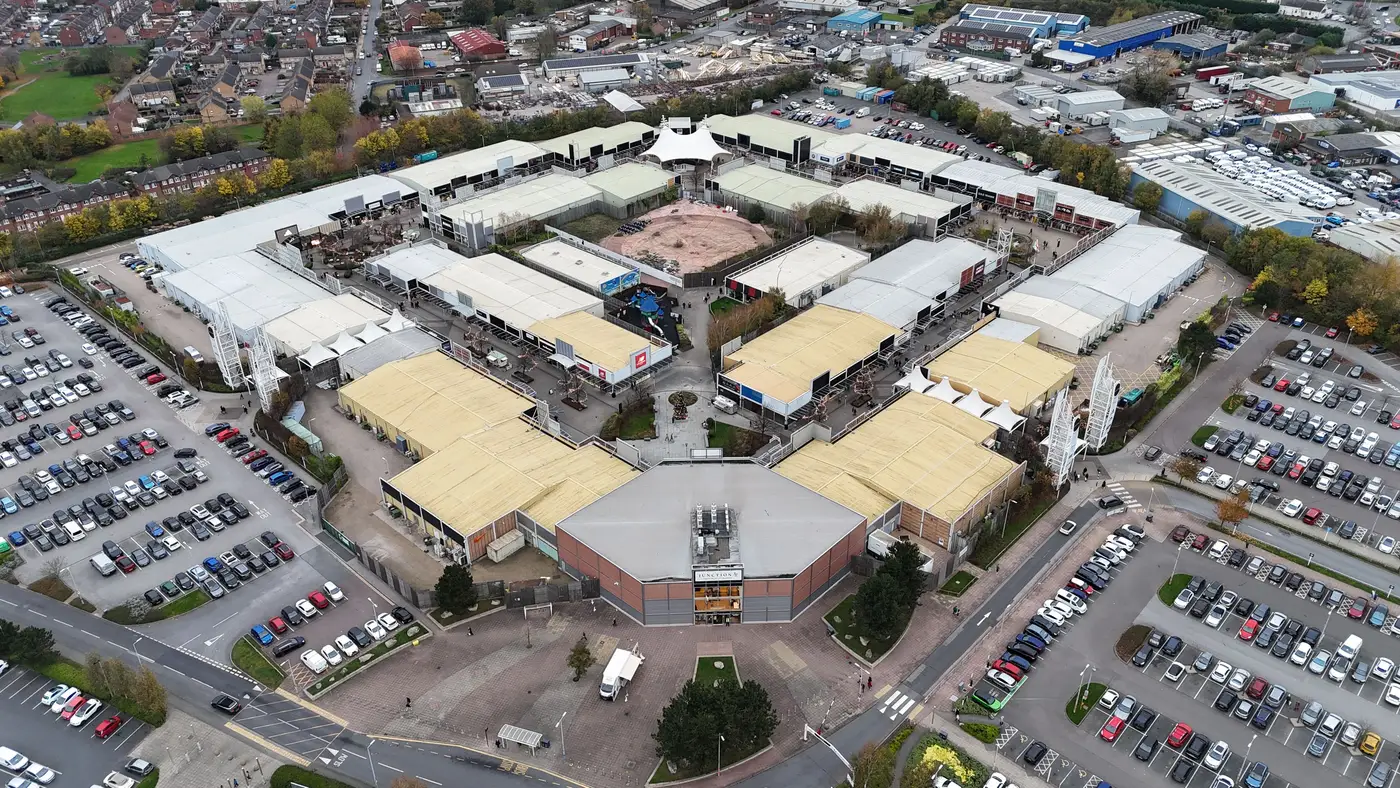 Flagship vs standard format store: telling them apart in satellite imagery
How to read footprint, parking, and site layout in high-res imagery to classify a competitor's store formats without waiting on a press release.
9 November 2026
 Distribution center vs. new store: reading the difference in satellite imagery
How to tell a distribution center or fulfillment center build-out apart from a new store opening using footprint, docks, and parking cues in satellite imagery.
9 November 2026
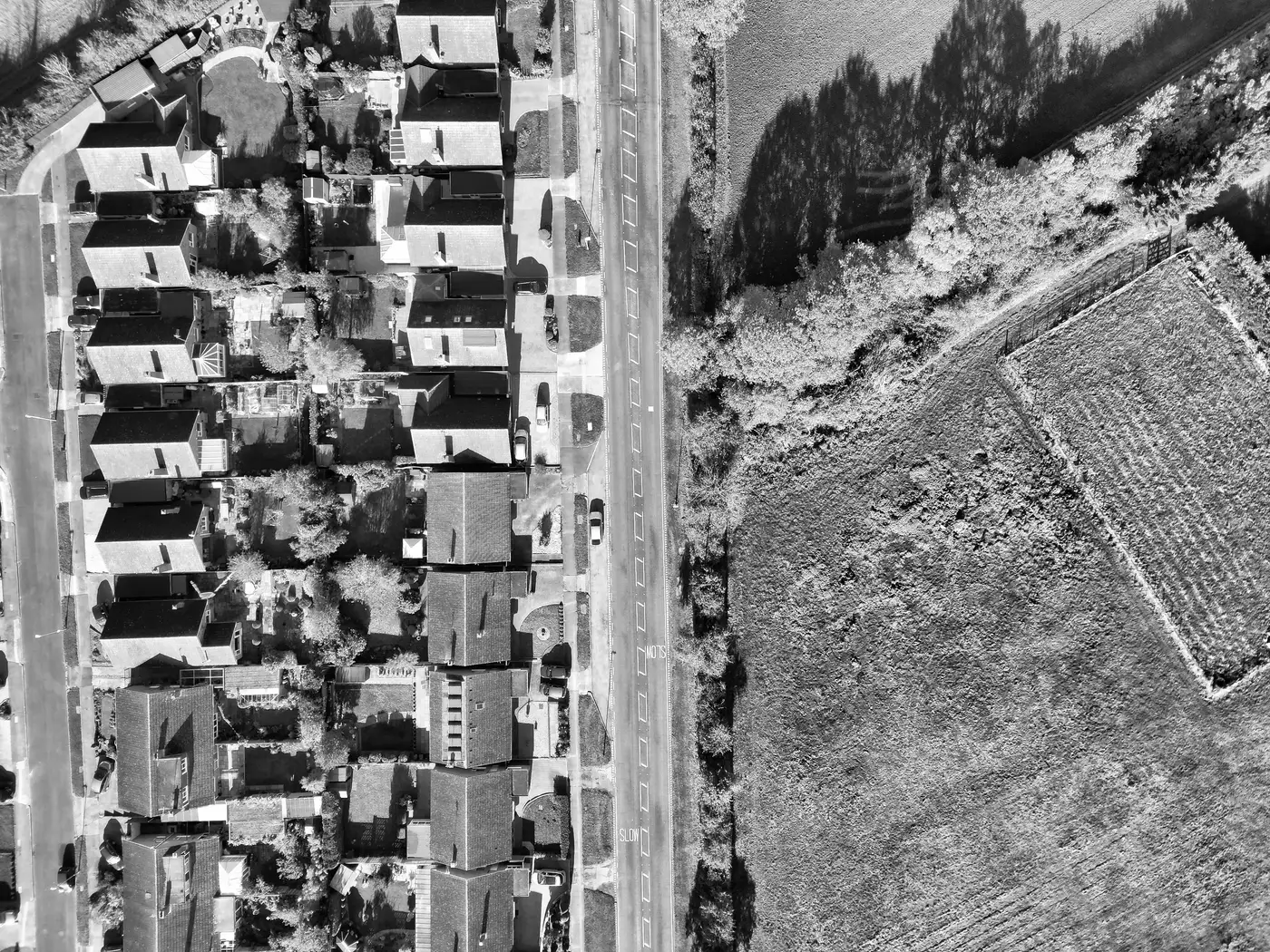 What is a land bank, and why it matters for a competitor's store pipeline
What a land bank is in retail real estate, and why reading one matters more than store-locator data if you're tracking a competitor's expansion pipeline.
2 November 2026
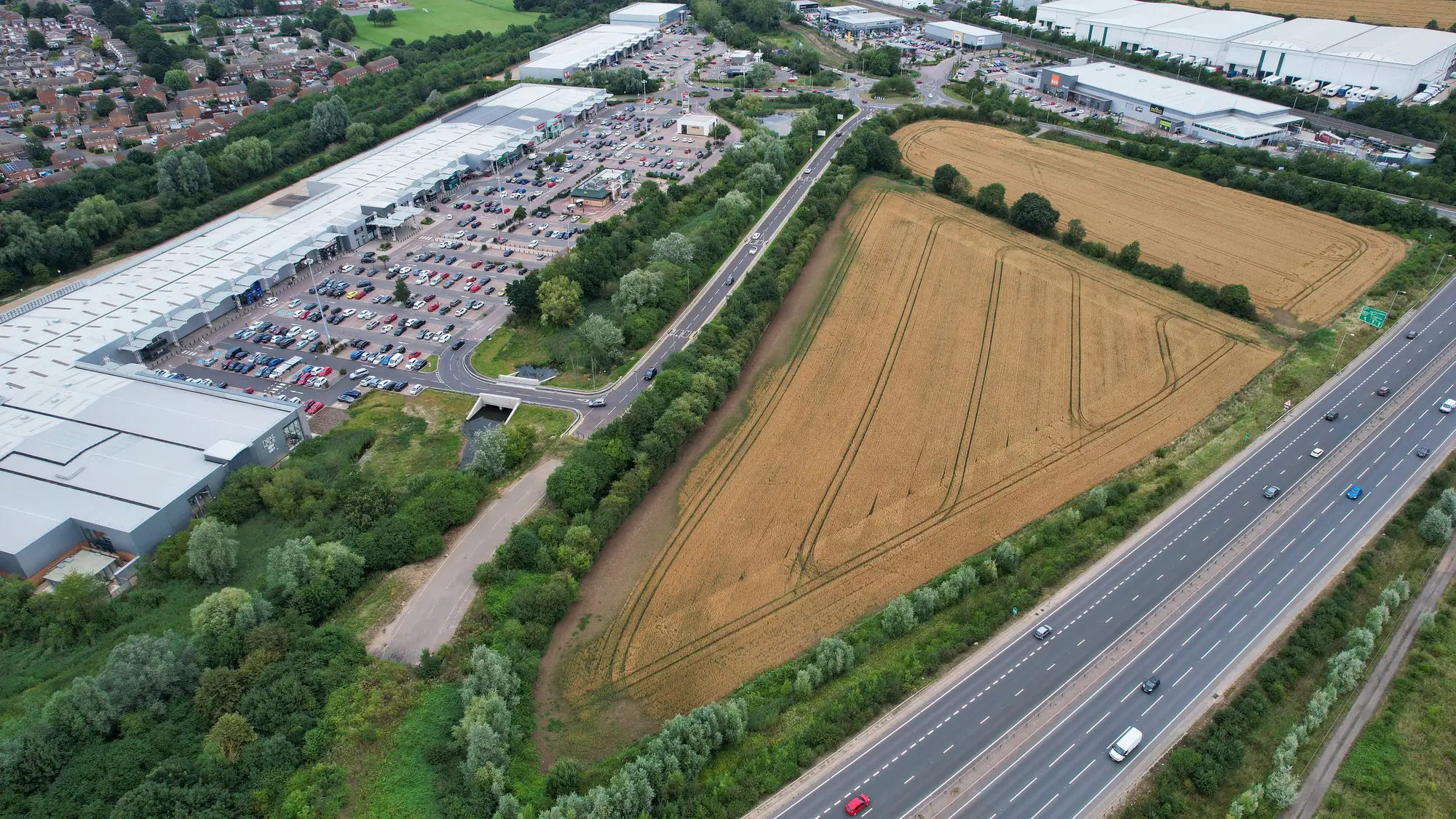 Field notes: the quarter a rival's new stores all pointed at the same zip code
What it means when a competitor's new-store openings cluster in one trade area in a single quarter, and how to read the signal before the press release does.
2 November 2026
What is a cannibalization store, and how do you spot one?A cannibalization store grows a chain's count without growing its reach. Here's how to spot one in a competitor's quarterly expansion pattern.
26 October 2026
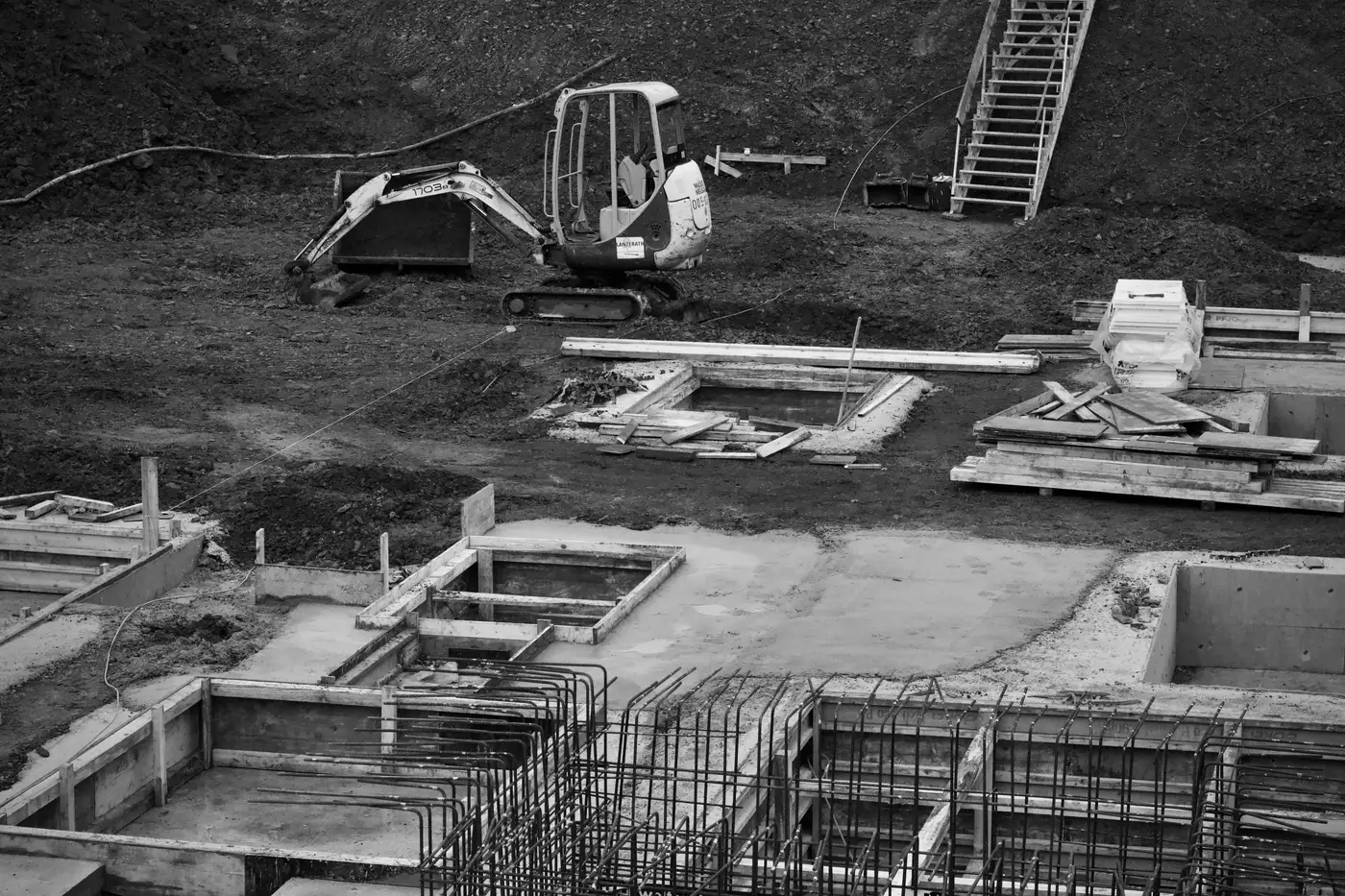 Pop-up or permanent fit-out: how to read the signal in satellite imagery
How to separate a competitor's trial format or seasonal unit from a real permanent fit-out using what shows up in high-res satellite passes.
26 October 2026
What a trading format is, and why it changes your store countA fascia count and a format-mix count of the same competitor rarely match. Here's why trading format is the number that matters most.
19 October 2026
Field notes: the quarter a rival quietly bolted lockers onto half its estateA format change spreads across a store estate in small, unannounced steps. Here's what it looks like from the parking lot up, quarter by quarter.
19 October 2026
 How to tell a store relocation from a straight closure in satellite imagery
A locator pin going dark could mean a relocation or a real exit. Here's how to tell the two apart using quarterly satellite passes.
14 October 2026
How to tell a store relocation from a closure in a competitor's estateHow to spot a store relocation versus a true closure in a competitor's retail estate, and why locator scrapes and trade press miss it.
14 October 2026
 What is a fascia change, and why it isn't a store closure
A store vanishing from a locator page isn't always a closure. Here's how to tell a fascia change from a genuine shut unit in a competitor's estate.
13 October 2026
Dark store or closed store: how to tell them apart in satellite imageryA single pass can't tell a fulfilment-only dark store from a vacant unit. Here's what to check across quarters and why it matters.
13 October 2026
How long between a planning application and a competitor's store opening?A look at the real gap between a competitor's planning submission and trading day, and why store-locator sites lag behind it.
7 October 2026
How to estimate retail unit footprint from satellite imageryA working method for estimating store size from satellite imagery: reference buildings, pixel measurement, parking-lot cross-checks, and where it goes wrong.
7 October 2026
Refit or closure? Reading a dark store unit from satellite imageryA dark store unit can mean a refit or a closure. Here's how to read the car park, loading bay and roofline across passes to tell which.
7 October 2026
Store locator scrapes vs satellite imagery for tracking new store openingsStore locator scrapes catch new stores after they open. Satellite imagery can catch the build before the listing goes live. Here's the actual difference.
7 October 2026
What counts as a store extension in a retail change logA working definition for "extension" versus new build, relocation, or closure, and why the line matters when you're tracking a competitor's estate.