2 November 2026
Field notes: the quarter a rival's new stores all pointed at the same zip code
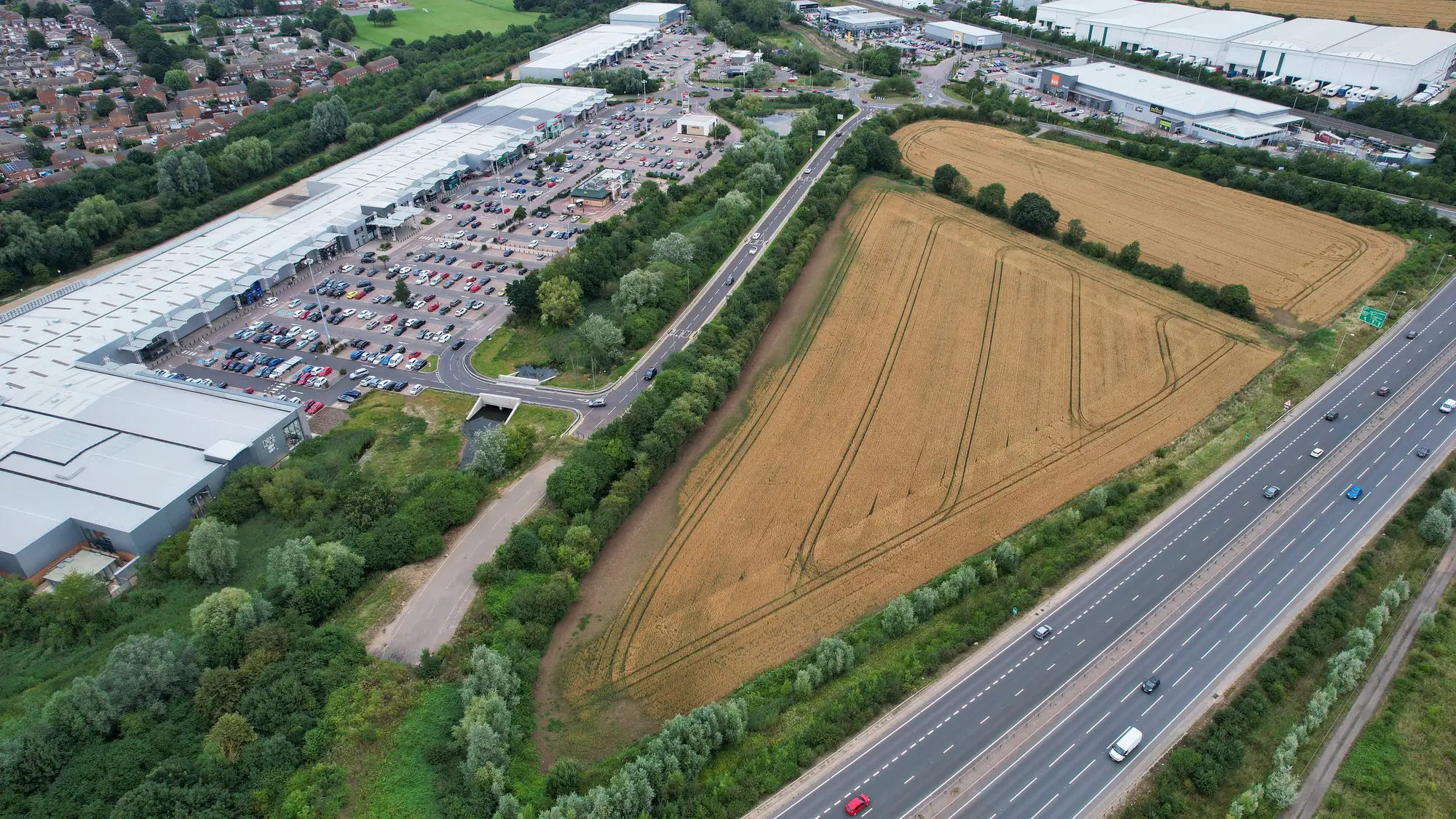
Every expansion analyst has a version of this quarter. You pull the change log, expecting the usual scatter, two stores in one metro, one closure three states over, an extension nobody flagged until the drive-by photo turned up. Instead four new boxes land inside a fifteen-mile radius, all opened within about ten weeks of each other, all in zip codes that share a distribution center.
The first instinct is to assume coincidence. Lease terms expire when they expire. Construction crews finish when they finish. But four is a pattern, not a cluster, and once you've tracked a full estate for a few years you learn to distrust coincidence at that density.
What a tight cluster usually means
A rival doesn't open four stores fifteen miles apart because the real estate happened to line up. That's a deliberate infill play, and infill plays tell you something about intent that a single opening never does. One new store could be a lease event, a landlord relationship, a site that fell into their lap. Four in a quarter, all pointed at the same trade area, is a chain deciding that a market is worth saturating before anyone else gets there.
Sometimes it's defensive. A competitor sees another fascia testing the same metro and decides the fastest way to close the white space is to fill it themselves, even at the cost of some cannibalization between their own stores. Sometimes it's logistics-driven: a new distribution center just came online nearby, and the openings are back-filling the delivery radius it was built to serve. Sometimes, less excitingly, it's a developer relationship, one landlord with four parcels and a chain that likes dealing with people it already knows.
A quarterly pass tells you where and roughly how big. Working out why is the analyst's job, and that's fine, that's the part of the work that doesn't belong in a change log. The imagery just needs to get the where and the how big right, and get it to you before the trade press notices that four grand openings in one metro add up to something.
Why the timing matters more than the count
The count gets attention because it's easy to graph. The timing is the more useful number and the one that's harder to reconstruct after the fact. A store-locator scrape tells you a location exists once it's live and staffed, which in practice means weeks after the shell is up and sometimes months after the site was cleared. By the time four listings appear on the competitor's own site, the leasing decision that produced all four is old news, and whatever response window existed has mostly closed.
A quarterly high-res pass catches the buildings going up, not the ribbon-cutting. You see the pad sites cleared, the shells framed, the parking lots striped, in roughly the order they happened, with location and approximate footprint attached to each one. That's the difference between noticing the cluster as it forms and noticing it once it's already a trend piece in a trade publication. If you're the kind of analyst who maintains a running map of a named competitor's footprint quarter over quarter, that's the whole point of doing it that way instead of waiting on announcements, and it's the specific problem a quarterly change log built from satellite imagery is meant to solve.
What to do with a cluster once you see it
Flag the trade area, obviously. But also go back and check whether the chain has done this before, because clustering is often a playbook, not a one-off. If they infilled a comparable secondary market the same way eighteen months earlier, you've just found a leading indicator for the next metro on their list, and that's worth more than the four stores you started with.
Next time your own change log shows three or more openings landing in the same small radius inside one reporting window, don't file it as a scatter and move on. Pull the thread.