19 October 2026
How to tell a store relocation from a straight closure in satellite imagery
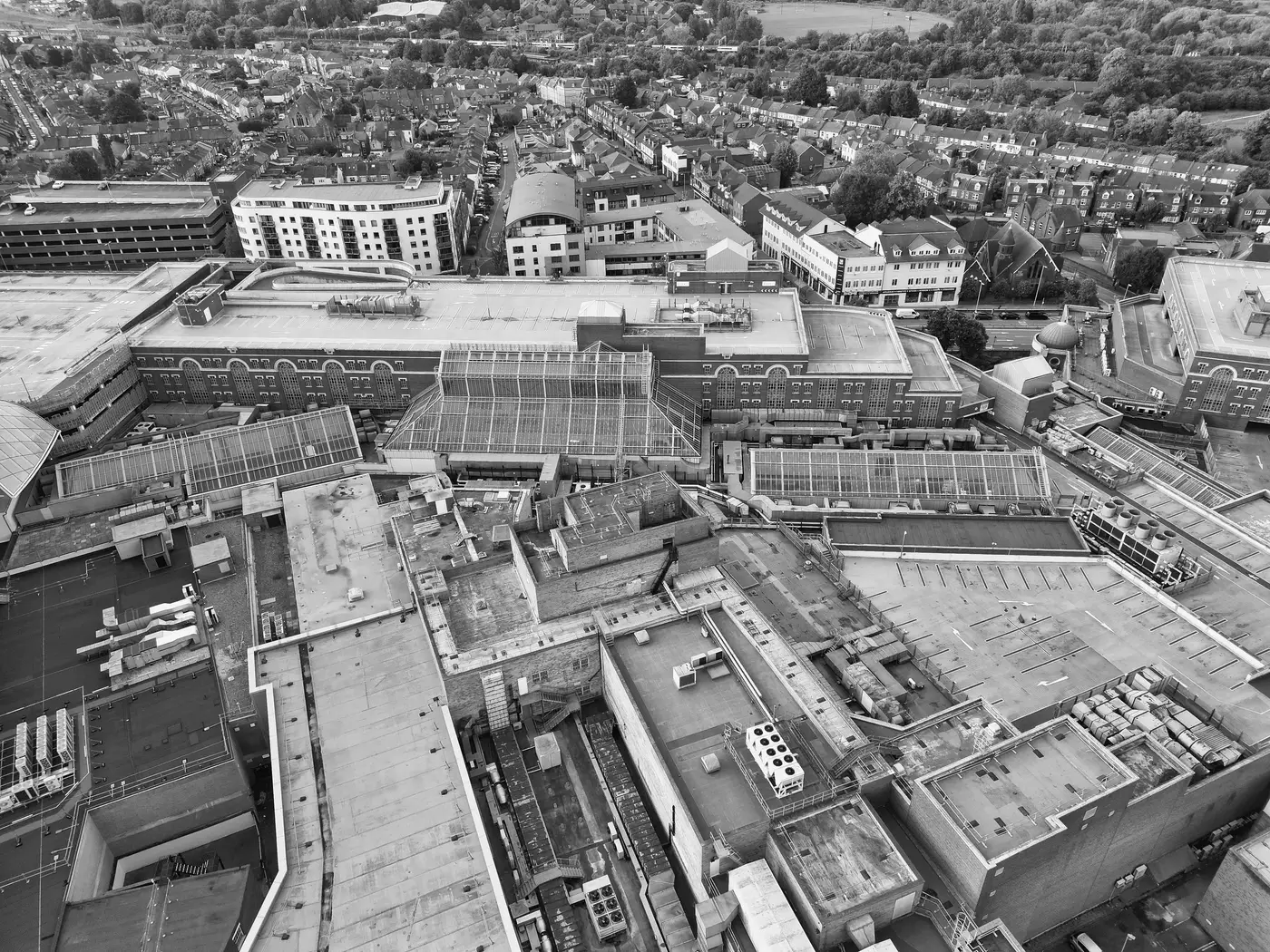
A store goes dark on the locator. Is that a closure, or is the chain just moving two exits down the highway and hasn't updated the app yet? Store-locator data tells you a location is gone. It doesn't tell you why, and for competitive tracking, why is the whole point.
A relocation means the competitor still wants that trade area and thinks they can do it better from a different box. A straight closure means they're pulling out. Those are opposite signals, and they get filed under the same "store removed" flag in most scraping tools.
Satellite imagery, read across a couple of quarters, separates the two. Here's what to look for.
The overlap window is the first tell
Pull the two most recent passes over the same trade area and check timing. If a new store opens in the same submarket before the old one goes dark, that's a relocation in progress. Retailers don't like dark periods. A planned move almost always has the new site fitted out, stocked, and often soft-open before the lease on the old box lapses, so you'll see both locations active in one quarter's pass and only the new one in the next.
A straight closure skips that step. The lot empties, the signage comes down, and there's no new build-out anywhere nearby to account for it. If you check the next two or three quarters and no comparable format shows up within a reasonable drive time, that's not a relocation that's running late. That's an exit.
Distance and format tell you what kind of move it is
Once you've confirmed a new site appeared near a closed one, the next question is what kind of relocation it is. Measure the straight-line distance and compare footprints.
A short move, under a couple of miles, with a similar or larger footprint, usually reads as a format upgrade: same trade area, bigger box, better parking, probably a corner lot with better signage visibility from the high-res pass. Retailers do this when a location is outgrowing its format but the trade area still performs.
A longer move, five or ten miles out, especially paired with a smaller footprint, often means the chain is downsizing its commitment to that trade area while keeping some presence. That's worth flagging differently than a simple same-for-same swap, because it changes how much competitive pressure hits that submarket.
And if the new site is a meaningfully different footprint class entirely, say a full-size store closing and a smaller express format opening nearby, you're looking at a repositioning, not a relocation in the plain sense. The old box is gone but the format strategy for that market changed with it.
What the old site does after it empties
The site itself keeps giving you signal after the move. A relocated box usually gets backfilled or redeveloped within a few quarters because the real estate is still desirable: decent parking count, visible from the arterial, the kind of pad another retailer or a strip redevelopment will want. A straight closure in a weaker trade area tends to sit vacant longer. The lot stays empty, the parking lines fade, nothing moves in. That's a secondary confirmation, not a primary one. You don't need to wait two years to call it, but if you're unsure after the first read, a slower follow-up pass on the same parcel will usually settle it.
None of this requires waiting for the trade press to run a story that's already three months stale by the time it publishes, or for the locator API to quietly drop a pin with no explanation. A quarterly high-res pass over the whole estate catches the sequence: the new box going up, the overlap window, the old lot going dark, and what happens to it after. a quarterly change log that logs new, extended, and closed locations with footprint and timing does this work automatically instead of leaving you to piece it together from satellite screenshots and guesswork every time a pin disappears.
If you're tracking a named competitor's estate and keep running into this exact ambiguity, pin and locator data won't resolve it, but a quarterly read of the imagery will.