7 October 2026
Store locator scrapes vs satellite imagery for tracking new store openings
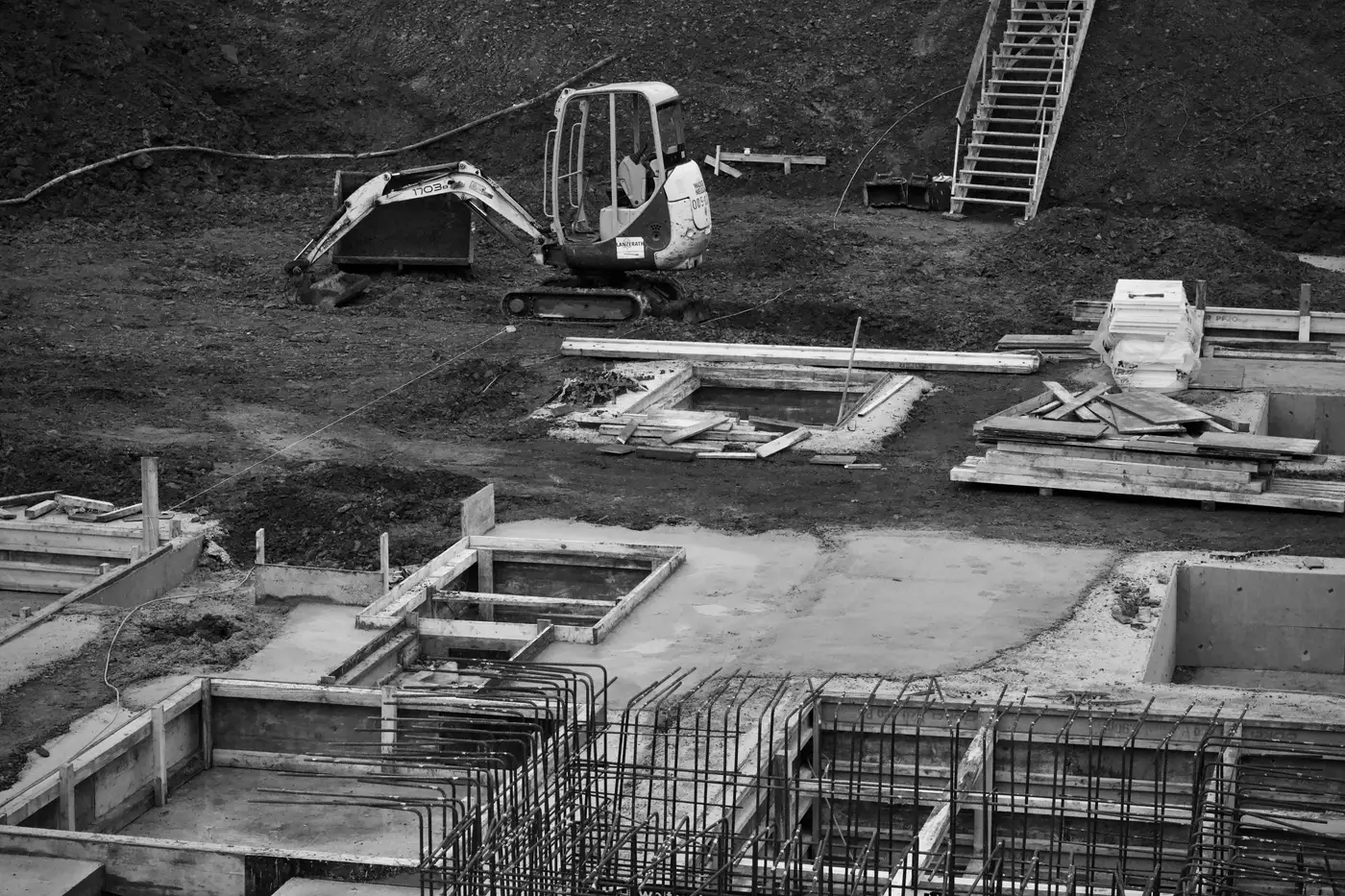
If you track a competitor's estate for a living, you already know the store locator problem. The locator is the retailer's own tool, built to help shoppers find a store that's open today. Flagging a store that's going up next quarter isn't what it's for, and it doesn't. By the time a new location clears geocoding and shows up in the API or the HTML you're scraping, the ribbon's usually already been cut.
That lag is the whole issue. A scrape tells you what happened. It doesn't tell you what's happening.
Why store locator data lags the real-world signal
Store locator data exists for customers, not analysts, and retailers manage it that way. A location typically gets added to the locator somewhere around the soft open or the grand opening, sometimes a few weeks after, depending on how the digital team's backlog is running that month. Scraping the page daily doesn't fix that. You're still scraping a dataset that's downstream of the actual construction, the permit, the fit-out, and the opening itself.
There's also the format problem. A locator entry tells you a pin exists at an address. It usually doesn't tell you if that's a full-format store, a small-format convenience conversion, or a pickup-only location bolted onto a parking lot. If a competitor is quietly testing a smaller footprint format in a few markets before rolling it out, the locator treats it the same as every other entry. You find out it's a format test when the trade press writes it up, which is itself usually a quarter or two behind.
And locators go quiet on closures. Some retailers pull a closed store from the list immediately; others leave it up for months, especially if there's a lease dispute or a planned relocation nearby. You can't build a reliable closures count off a dataset that treats removal as optional housekeeping.
What a satellite pass over the estate actually catches
High-resolution satellite imagery looks at the ground, not at the retailer's own reporting pipeline. A 0.5 to 2 meter pass over a site shows a building footprint, a parking lot being graded, a slab poured, steel going up, a roof going on. None of that depends on when someone updates a website.
The practical upside for expansion tracking is timing. Construction on a new store is visible well before the opening date, often before the retailer has announced anything beyond a planning filing in one county. A quarterly pass across the estate picks up a new footprint where there wasn't one last quarter, flags a building that's grown (an extension, a format upgrade, an added drive-through lane), and catches a site that's gone dark, roof intact but parking lot empty and no signage changes, which is usually the first sign of a closure before it ever hits a press release.
It won't tell you the brand name on the door or the square footage to the decimal point. It's a footprint read from above, not a store visit. What it gives you is the physical fact, at the location, roughly when it happened, independent of whatever the retailer chooses to publish and when.
Using both without doubling your workload
The two aren't really competing tools so much as different points in the timeline. A locator scrape is useful for confirming a store is live and open for business. Satellite imagery over the estate is useful for catching the build before that confirmation exists, which is the part of the expansion signal that store locator data and trade press coverage can't give you early.
If you're running quarterly tracking across a named competitor's whole footprint, that's exactly the gap Competitor Expansion is built to close: a quarterly high-res pass that turns into a change log of new stores, extensions, and closures, with location and approximate footprint, flagged before it's old news.
If chasing locator updates and trade press clippings every quarter is starting to feel like reading the retailer's homework after it's graded, it might be worth seeing what a quarterly imagery pass over their estate would have caught instead.