7 October 2026
What counts as a store extension in a retail change log
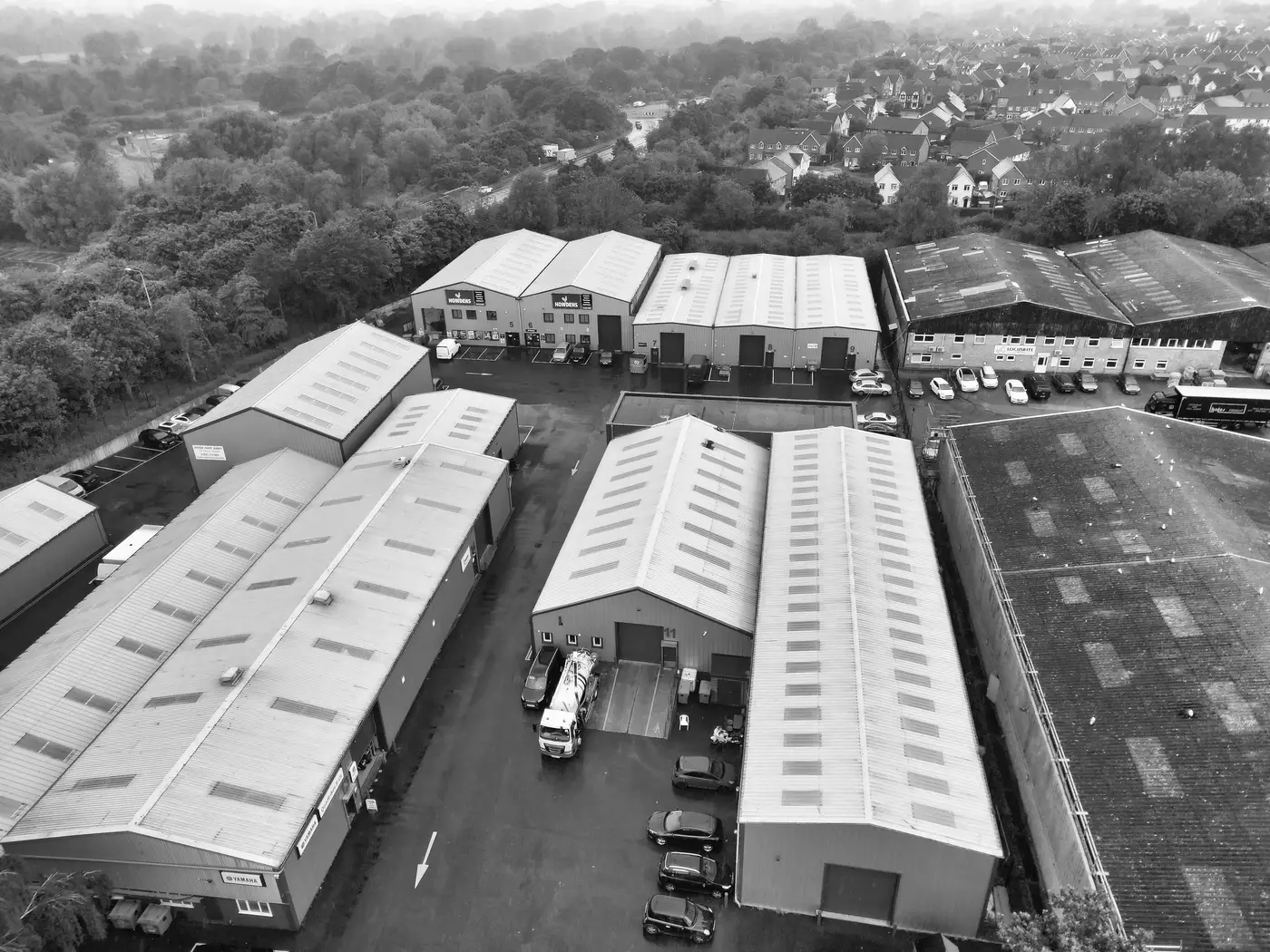
Anyone who has tried to keep a running log of a competitor's store moves eventually hits the same snag: what do you actually call it when a box gets bigger? A new wing on the back of a supermarket, a second unit knocked through next door, a warehouse club adding a fuel station canopy. None of these are a new store. None of them are nothing either. If your change log doesn't define "extension" the same way every quarter, the log stops being comparable, and comparability is the only reason to keep one.
When a box gets bigger
The working definition most estate trackers settle on is simple: an extension is additional built footprint on an existing site, under the same operator, without a change of address. That's it. It doesn't matter whether the addition is five percent of the original floorplate or fifty. If the roofline grew and the store number stayed the same, it's an extension.
That rules a few things in and a few things out cleanly:
- A grocer knocking through into the unit next door and reopening under one entrance: extension.
- A DIY shed adding a garden center under a new roof at the back of the lot: extension.
- A club store adding a freestanding fuel kiosk in the car park, on its own slab, with its own address: usually logged separately, because it's a new structure on the parcel rather than growth of the existing one.
- A store that closes for six weeks and reopens in a bigger unit three doors down in the same retail park: that's a closure and a new store, not an extension, because the address changed even though the operator and the catchment didn't.
The address test does most of the work. If a customer would still type the same street number into a map app, you're looking at an extension. If they'd need a different one, you're looking at a relocation, which a change log should carry as a paired closure-plus-new-store entry so the net footprint change is still visible, just not mislabeled.
The edge cases that don't fit neatly
A few cases sit right on the line, and it's worth deciding ahead of time how you'll handle them rather than relitigating it every quarter.
Mezzanine additions. A stockroom getting a mezzanine level for extra storage doesn't change the external footprint and won't show up on a high-res pass, since the addition is internal. A change log built on overhead imagery tracks footprint, so mezzanines sit outside its scope by design.
Canopy and vestibule extensions. A new entrance canopy or an enlarged vestibule technically adds covered square footage, but most trackers treat anything under a rough floor threshold, say a few hundred square feet, as a cosmetic change rather than a logged extension. Where you draw that line is a judgment call, but it should be the same judgment call every quarter.
Parking lot pad additions. When a big-box retailer builds a smaller pad site in its own parking lot and leases it to a different operator, that's a new store for the pad tenant and no change at all for the anchor. It's easy to misread this as the anchor extending when the satellite pass shows new rooftop in what used to be asphalt.
Phased builds. Some extensions show up half-built in one quarterly pass and finished in the next. Logging the first sighting as "construction in progress" and the second as "extension complete" keeps the log honest about when the footprint changed, rather than backdating it to when the plans were filed.
None of this requires guesswork if the log states its rules up front: footprint only, same address, same operator, a stated minimum size before something counts. Write that paragraph once at the top of the methodology and every entry after it reads as a judgment applied consistently.
That's the whole point of running this quarter over quarter instead of chasing a press release when it lands. A quarterly change log built from satellite imagery flags the new footprint, the address, and the approximate size as soon as the roofline shows up, using the same definitions every pass. If your current tracker is a store-locator scrape and a Google Alert, it's worth seeing what a defined, repeatable log looks like instead.