19 October 2026
Field notes: the quarter a rival quietly bolted lockers onto half its estate
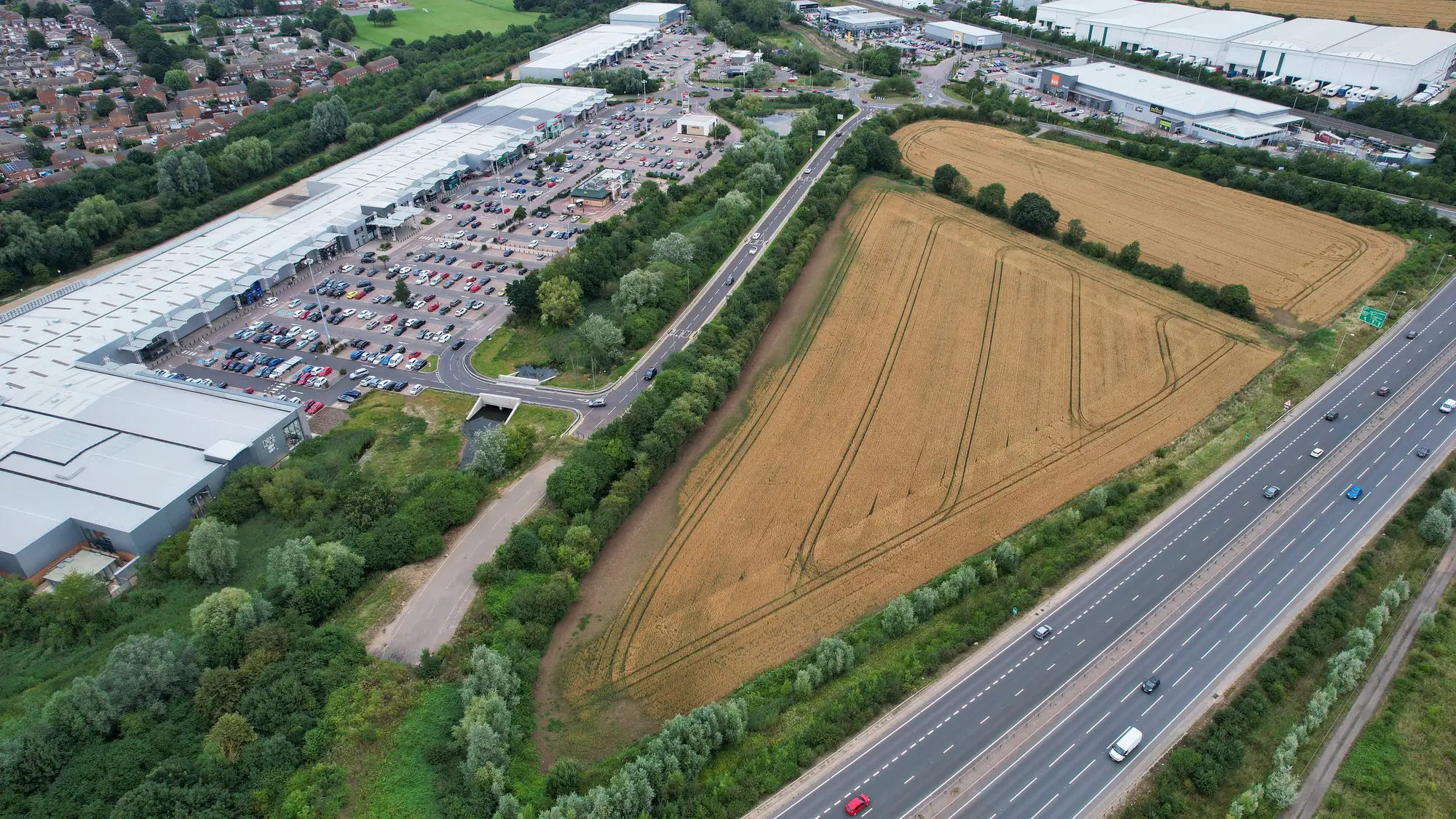
There's a particular kind of competitor move that never gets a press release, because no single instance of it is newsworthy. A locker bank goes up against the wall by the garden center entrance. Nobody cuts a ribbon. Nobody tweets it. It just sits there in the parking lot the next time a customer drives past, and three months later there's one at the next store over, and the one after that.
That's roughly how it went with a mid-box grocery operator we've been watching this year. No format announcement, no investor-day slide about click-and-collect infrastructure, nothing from the trade press beyond a line in an earnings call transcript about "continued investment in digital fulfilment capability." The kind of sentence that means nothing until you go looking for where the capability actually landed.
What it looked like on the ground: a cluster of pickup lockers appearing in the front third of the car park, usually eating three to six parking spaces, usually near a reserved lane that didn't exist the quarter before. Not a new building. Not even a new door. Just a change in how the existing footprint gets used, which is exactly why it's easy to miss if you're watching for the things store-locator scrapes are built to catch, like a status flipping from "coming soon" to "open."
A store locator tells you a location exists. It doesn't tell you the format of that location changed under the same four walls. And a retailer rolling out lockers store by store across an estate isn't going to update its locator copy to say so, because from the customer's point of view it's just a feature that showed up one day, not a new location to find. The retailer's own systems treat it as an operational tweak. For anyone tracking the chain from outside, it's a signal with no obvious channel.
By the time we'd counted it across a meaningful share of the estate, it was clear this wasn't a pilot at three flagship stores. It was close to half the fleet, spread across multiple regions, rolled out in a pattern that looked less like a trial and more like a standing capex line that had been running for several quarters before anyone outside the company noticed the shape of it. The stores that got lockers first were, unsurprisingly, the ones with the most car park room to spare and the highest footfall. The pattern told you about the rollout logic before any strategy document would have.
This is the part of competitor tracking that doesn't fit neatly into "new store, closed store." Format change is a third category, and it's arguably the one that tells you more about where a rival is putting its money, because new stores get board approval and press coverage, while a locker retrofit gets signed off two levels down and never leaves the operations function. If you only watch for openings and closures, you catch the headline moves and miss the quieter one where the company is reshaping what each box does.
The only way we caught it at all was by going back over the same stores on a schedule, not by waiting for a reason to look. One pass showed nothing unusual. The pass three months later showed the lockers. That's the whole method: a quarterly check across the estate rather than a one-off look when something newsworthy happens, which is more or less the idea behind a recurring pass over a competitor's full store footprint, flagging whatever's physically different on the ground before anyone issues a statement about it.
Worth keeping an eye on your own watch list for the same thing. If a rival's locker count, drive-through lane, or outdoor pickup canopy starts creeping across stores without a corresponding wave of "new store" announcements, that's the format change happening in plain sight, and it's worth tracking like one.