26 October 2026
Pop-up or permanent fit-out: how to read the signal in satellite imagery
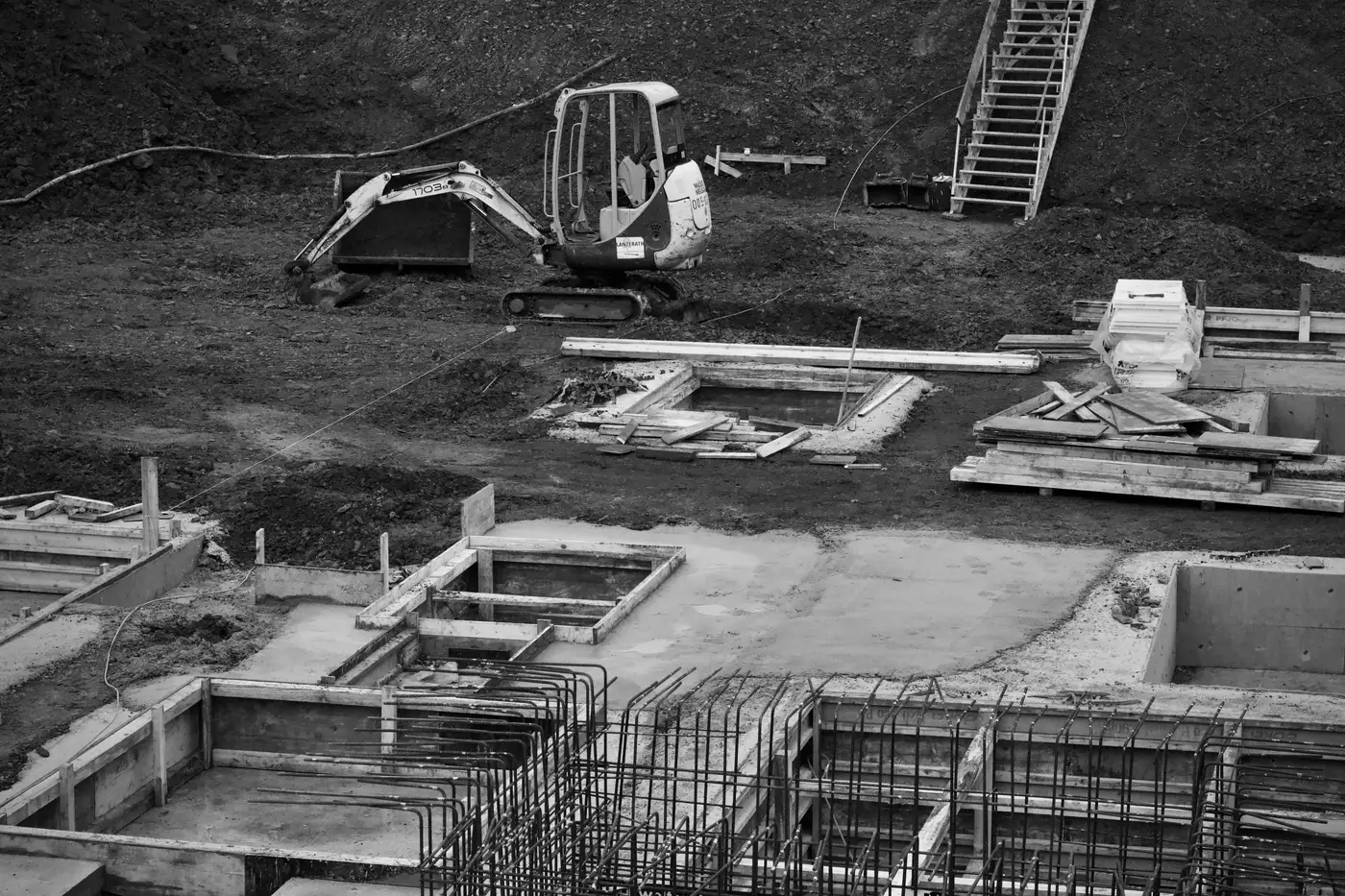
A new black rectangle shows up on a parcel you've been watching for a competitor, and the instinct is to log it as a store open. Three months later you find out it was a 90-day holiday kiosk that's already gone. That mistake costs you a line item in a board deck, and it's avoidable if you know what to look for before you trust the footprint.
No single frame tells you pop-up versus permanent. What does is the combination of ground disturbance, timing, and how the footprint compares to the retailer's known format. Here's what to check.
What a permanent fit-out leaves behind
A real build leaves marks on the site that a drop-in unit doesn't. Look for fresh soil disturbance or grading that doesn't match the surrounding lot, new parking striping (permanent fit-outs usually come with restriped spaces, sometimes an ADA-compliant restripe near the entrance), and a loading dock pad if the format calls for one. Rooftop HVAC units are one of the more reliable tells: a retailer committing to a space for years typically adds or replaces rooftop mechanical equipment, and that shows up as a new rectangular unit or a cluster of units on the roof that wasn't there in the prior pass.
Signage footings matter too. You'll often see the pylon or monument sign base poured before the actual sign goes up, which means you can catch a permanent commitment a full quarter before the branded signage appears in anyone's trade press photo. If the parcel also shows new curb cuts or a widened entrance drive, that's capital spend nobody puts into a six-week trial.
What says trial format instead
A temporary unit drops into existing infrastructure. No new grading, no new striping, no rooftop additions. It's parked inside an existing strip mall endcap or a dead box (the old Blockbuster, the shuttered Sports Authority) with zero site work visible between passes. The footprint itself is also a clue: if the space is meaningfully smaller than the retailer's standard prototype for that format, you're probably looking at a trial or a showroom, not the real rollout.
Timing is the other half of the signal. Seasonal pop-ups cluster hard around October through December and vanish by February, which lines up with Halloween and holiday retail rather than a lease cycle. If a unit appears in Q4 imagery and the pad is empty again by the spring pass, that's your answer regardless of what the footprint looked like.
Shared-parcel context helps as a gut check. A unit sitting among a row of known short-term tenants, kiosks, seasonal costume shops, pop-up card stores, is more likely to be the same kind of lease than a standalone building a retailer bought the rights to grade and restripe.
None of this is exact science from a single image. It's a pattern you build by comparing passes over time and checking fit-out signal against what you already know about how that chain builds stores. A one-off scrape of a store locator can't give you that. It tells you a pin exists today, not whether the site behind it got real capital spent on it or just had a tenant improvement allowance and a six-month lease.
That's the gap a quarterly read closes: compare one high-res pass against the last and flag what actually changed on the ground, not just what showed up on a map. If you're trying to separate real network growth from seasonal noise across a competitor's whole estate, that's what Competitor Expansion is built to track.
Next time a new footprint shows up on a watchlist parcel, give it one more pass before you log it as a store open.