9 November 2026
What is a land bank, and why it matters for a competitor's store pipeline
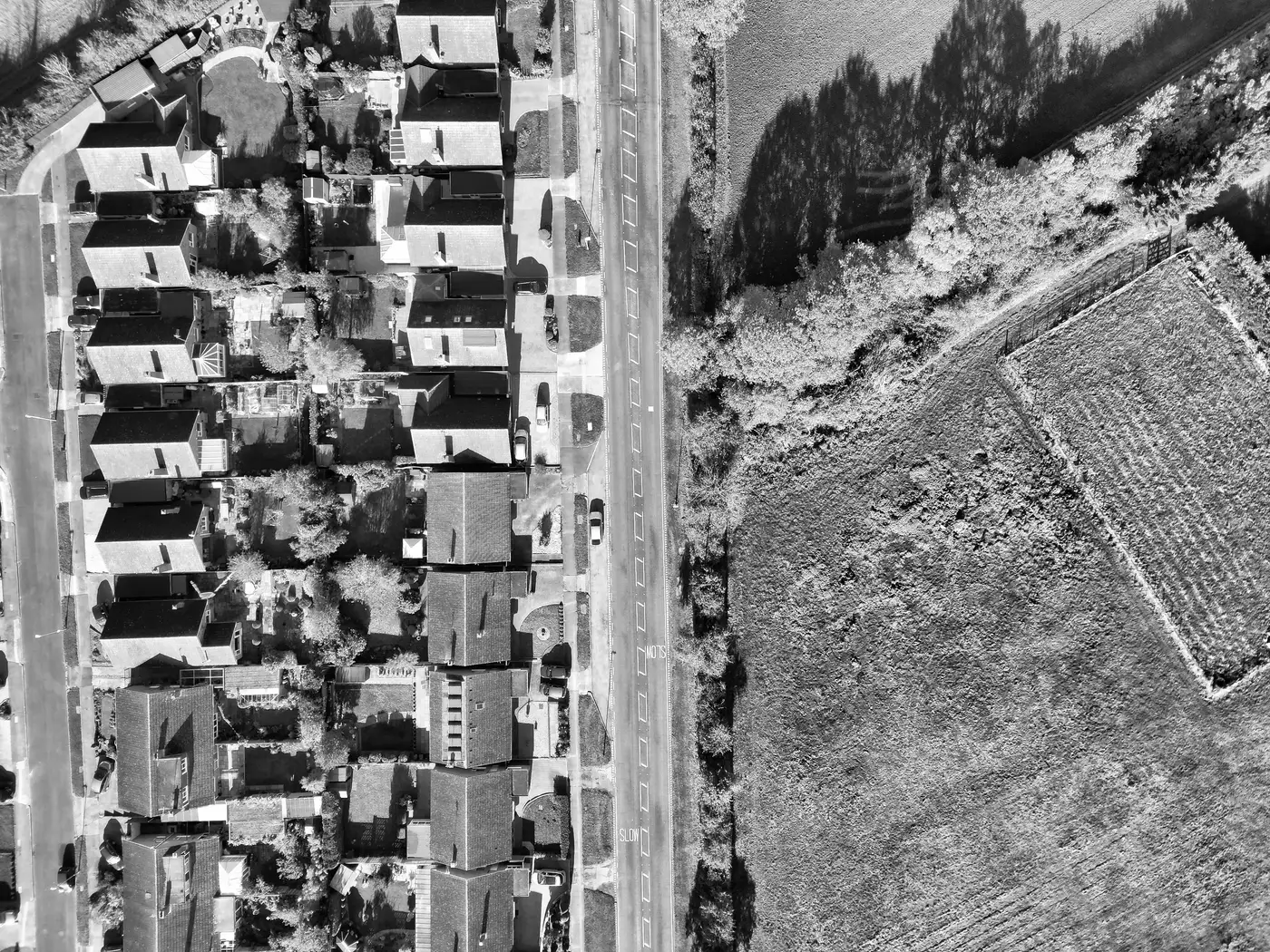
A land bank, in the retail real estate sense, is a parcel a company has bought or optioned well ahead of any announced plan to build on it. Developers do this. So do grocery chains, discount retailers, and quick-service operators with aggressive growth targets. The land sits there, sometimes for a year, sometimes for five, often held under an LLC name that has nothing to do with the retailer's brand, until the economics, the permits, or the rest of the trade area catch up.
If you track a competitor's expansion, land banking is the reason your store-locator scrape always looks like it's reporting last year's news. By the time a store shows up on the locator, or a reporter writes it up for the trade press, the land has usually been sitting in that competitor's portfolio for a while. The real decision, the one that tells you where they're headed next, happened long before anyone made it public.
Why retailers bank land instead of just building
Buying land ahead of need lets a retailer lock in a site before a competitor does, before zoning gets harder, or before the asking price moves. A chain expanding into a metro might option six corners in year one and only build out two of them by year three. The other four sit, taxed and insured, waiting on traffic counts, a nearby rooftop count, or a competitor's move to justify construction.
This is also why acquisition pipelines are so hard to read from public filings alone. A parcel purchase recorded at the county level under a shell entity doesn't tell you who the buyer really is, and even when you can connect the dots, it doesn't tell you when or whether they'll build. Some banked parcels get sold off years later without a single shovel of dirt moved. Others get graded within six months. The paper trail alone won't tell you which is which.
Where the pipeline actually becomes visible
The gap closes when work starts on the ground. Site clearing, grading, a pad poured, utility runs going in. None of that requires a press release, and most of it happens well before a permit search would even think to flag it, because permit databases vary wildly by jurisdiction and lag by weeks or months depending on the county's backlog.
That's the window that matters if you're trying to read a competitor's estate rather than react to it. A retailer that's been quietly land banking across a region for two years will, eventually, start building out several sites close together. Catching that shift as it happens, rather than reading about four new locations in a trade magazine roundup six months later, is the difference between adjusting your own site selection and finding out you've already lost the corner you wanted.
Trade press covers openings. Store locators cover openings. Neither one covers the quarter where the fencing went up, the lot got cleared, and the slab got poured. That quarter is where a competitor's real expansion plan gets written, on parcels they've often held for years before anyone outside the company knew what they were for.
If you're already watching a named competitor's estate for exactly this kind of signal, a quarterly pass over the store footprint flags new construction, extensions, and closures as they happen on the ground, not when the ribbon-cutting gets covered.
Next time a competitor opens four stores in a quarter you didn't see coming, check how long those parcels sat banked first. It's usually longer than you'd guess.