14 October 2026
What is a fascia change, and why it isn't a store closure
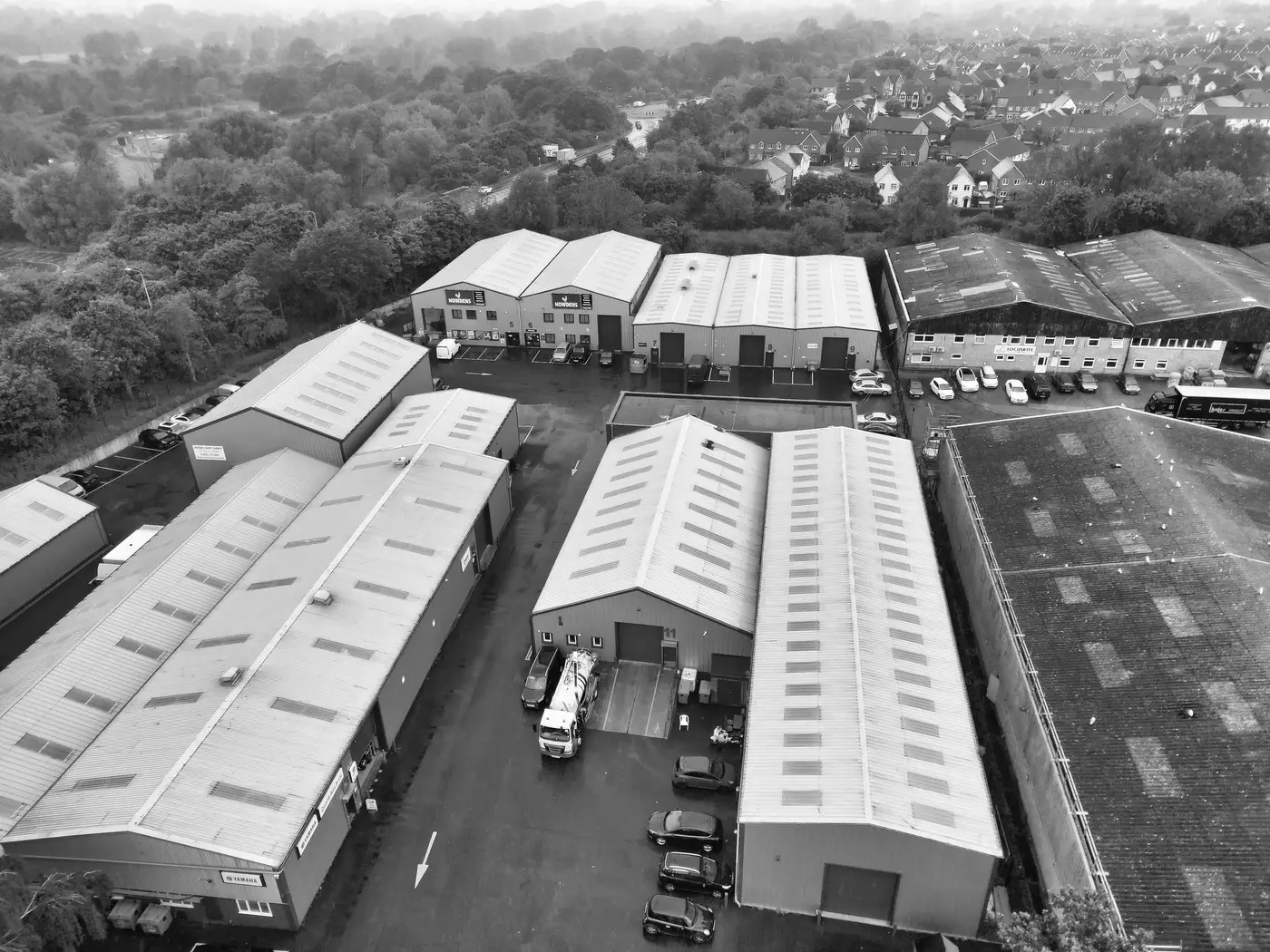
A store on your tracking list drops off the locator page. Before you log it as a closure, check the address again. Half the time what actually happened is a fascia change: new signage, new owner, same four walls.
What a fascia change is
A fascia is the branded signage board above a shopfront, the bit that tells a shopper which banner they're walking into. A fascia change is when that signage gets swapped for a different name, usually because the unit has been reflagged under another brand in the same group, sold to a different retailer entirely, or folded into a rebrand that's rolling out estate-wide.
The shell doesn't move. The footprint doesn't change. In a lot of cases the shopfit barely changes either, new vinyl, new till wrap, maybe a repaint, and the unit reopens under a different name within a few weeks. From a store-locator scrape, though, the old name just vanishes. If you're tracking a named competitor by brand name alone, that unit reads as a closure even though the box is still trading, just not trading as the brand you were watching.
Store locators serve the current brand only. They carry no record of what used to occupy the address, so a locator never says "this used to be a Brand X, now it's Brand Y under the same parent." It just stops listing the old name. Your closure count creeps up every time a group reflags a cluster of stores, and the net change figure for the competitor you care about drifts the other way too: the "new store" that opened under the new fascia three streets over isn't new, it's the same unit that supposedly closed last quarter, counted twice.
Rebrand vs closure: how to tell them apart
From a locator scrape alone, you often can't tell them apart with any confidence. A few things narrow it down.
Timing is the first signal. A closure tends to leave a gap, boarded windows, an empty unit sitting vacant for months while a landlord finds a new tenant. A fascia change usually has little or no downtime because the same operator or group is swapping the sign and reopening fast.
Companies House and business rates records help too. If the parent company or ratepayer name stays the same across the old and new trading name at that address, you're looking at a rebrand under the same occupier.
Planning portal filings are a third source, since a straightforward sign swap rarely needs planning permission. A substantial shopfit extension or change of use attached to the same postcode is worth flagging separately, since that can be a genuine closure-then-relet rather than a same-day reflag.
None of these are reliable on their own and all of them lag. Companies House filings post months after the fact. Planning applications can sit in a queue for weeks before they're searchable. Trade press covers the big rebrands, a supermarket group reflagging forty stores under a new name, but it rarely covers the smaller, quieter ones: a single convenience unit changing hands, a regional chain absorbed into a national banner one store at a time.
Why this is a job for imagery, not web data
A fascia change is a physical thing that happens to a building. The signage board changes, the shopfront branding changes, sometimes the canopy colour changes. None of that shows up in a store-locator feed, because the feed only ever shows the current state under the current name. A quarterly pass over the same footprint, compared image to image, catches it differently: the building is still there, still trading, still roughly the same footprint, but the visible branding has shifted. That's a flag for "reflagged," not "closed," and it keeps a competitor's real unit count honest instead of inflated by double-counted reopenings or deflated by phantom closures that were really just a new sign going up.
That's the gap Competitor Expansion is built to close: a change log per quarter that separates genuine openings and closures from the fascia changes a locator scrape can't see. If your closure count has been creeping up every quarter without matching trade press coverage, it's worth checking whether a chunk of it is just rebrands wearing a new sign.